
AI for Literature Review & Research
Complete Guide for MBBS/Medicine Students 2026
Find, summarize, and organize academic papers for literature reviews
Quick Answer
Use Elicit to search 138 million papers with your research question in natural language, automatically screen abstracts against inclusion criteria, and extract study parameters into tables, reducing systematic review time from 30-40 hours to 8-10 hours. This frees time for clinical rotations and FMGE preparation while maintaining methodological rigor required for journal submissions.
Why MBBS/Medicine Students Need AI for Literature Review & Research
MBBS/Medicine students face unique challenges when it comes to literature review & research. From managing complex clinical research to meeting tight deadlines, AI tools can significantly streamline your workflow and improve the quality of your work.
Common Challenges
Finding relevant academic papers
Reading and summarizing dozens of papers
Extracting key findings from studies
Organizing references
Keeping track of citations
How AI Tools Help
AI finds relevant papers based on your topic
Automatic paper summarization
Key findings extraction
Citation management
Semantic search across 200M+ papers
Featured Tool Recommendation
Elicit
Our top recommendation for literature review & research among MBBS/Medicine students.
Why Students Love It:
- ✓ Specifically designed for academic use
- ✓ Student discounts available
- ✓ Easy to learn and use
- ✓ Excellent customer support
Related Use Cases for MBBS/Medicine
Research Paper Writing
Write, edit, and format academic research papers with AI assistance for grammar, citations, and academic tone
Plagiarism Detection
Check documents for plagiarism and ensure originality before submission
Citation & Bibliography
Generate accurate citations and bibliographies in multiple formats (APA, MLA, Chicago)
MBBS students preparing dissertations, case reports, or systematic reviews face a critical challenge. Finding 50+ relevant papers across PubMed, Cochrane, and Google Scholar, then manually extracting study designs, sample sizes, and outcomes consumes 20-30 hours per review. During final year when you're juggling hospital postings, FMGE preparation, and dissertation deadlines, this timeline is impossible. Elicit addresses this by searching 138 million academic papers and 545,000 clinical trials using semantic understanding, not just keywords. Instead of reading entire papers to find intervention details or patient demographics, Elicit extracts specific data points into customizable tables. For MBBS students aiming for MD/MS entrance exams or USMLE Step 1, where research publications strengthen your profile, Elicit reduces literature review time from weeks to days. The platform's systematic review workflow guides you through screening, inclusion criteria, and data extraction, maintaining the methodological rigor required for journal submissions while freeing time for clinical rotations and exam preparation.
Top 5 Challenges & AI Solutions
Finding Relevant Clinical Studies Across Multiple Databases
MBBS dissertations require searching PubMed, Embase, Cochrane Library, and regional databases like IndMED simultaneously. Keyword searches miss studies using different terminology. A search for 'myocardial infarction outcomes' won't capture papers using 'acute coronary syndrome prognosis.' During final year when you're managing 8-hour hospital shifts plus dissertation work, repeating searches across five databases with varying syntax wastes 6-8 hours weekly. Missing key studies weakens your methodology section and risks rejection during university viva voce examinations.
✨ AI Solution:
Elicit's semantic search understands research questions conceptually, finding relevant papers even with different terminology. Search once across 138 million papers instead of manually querying multiple databases, reducing initial search time from 8 hours to 30 minutes.
Extracting Study Parameters from 50+ Full-Text Papers
Systematic reviews for MBBS dissertations require extracting sample size, intervention details, outcome measures, and statistical significance from every included study. Reading 50 full-text papers to manually populate Excel sheets with patient demographics, follow-up duration, and adverse events takes 15-20 hours. During posting rotations when you're on call every third night, finding uninterrupted time to read and extract data is nearly impossible. Inconsistent extraction leads to errors that dissertation guides catch during pre-submission reviews, forcing you to re-read papers.
✨ AI Solution:
Elicit's data extraction feature automatically pulls specific information like study design, sample characteristics, and key findings into customizable tables. Define your extraction fields once and Elicit processes all papers simultaneously, reducing extraction time from 20 hours to 2 hours.
Screening Hundreds of Abstracts Against Inclusion Criteria
After initial database searches yield 200-300 papers, MBBS students must screen each abstract against predefined inclusion criteria like study design, population, and publication date. Manual screening in Mendeley or Zotero requires opening each paper individually, checking criteria, and documenting exclusion reasons for PRISMA flowcharts. This process takes 10-12 hours and is prone to inconsistency when screening over multiple sessions between clinical duties. Dissertation committees scrutinize screening methodology, and poorly documented exclusions lead to revisions that delay submission by weeks during crucial NEET PG preparation months.
✨ AI Solution:
Elicit's systematic review workflow provides guided screening with customizable inclusion criteria. The platform automatically flags papers meeting your criteria and documents exclusion reasons, reducing screening time from 12 hours to 3 hours while maintaining audit trail for PRISMA compliance.
Managing References and Citation Tracking for Case Reports
MBBS case reports require 15-20 references supporting differential diagnosis, treatment rationale, and outcome discussion. Finding recent papers on rare presentations, tracking which studies support each clinical decision, and formatting citations in Vancouver style for Indian medical journals consumes 4-5 hours per case report. During internship when you're preparing multiple case reports for journal submission to strengthen MD entrance applications, manually organizing references in Word documents leads to citation errors. Journal editors reject submissions with formatting inconsistencies, requiring complete reference list overhauls.
✨ AI Solution:
Elicit organizes all discovered papers in searchable libraries with automatic metadata extraction. Export citations directly in required formats and track which papers support specific arguments, reducing reference management time from 5 hours to 1 hour per case report.
Staying Updated with Latest Evidence for Clinical Presentations
Ward rounds, grand rounds, and journal club presentations require current evidence on treatment protocols and diagnostic criteria. MBBS students must review latest RCTs and meta-analyses published in the past 6-12 months to answer consultant questions during bedside teaching. Manually searching for recent papers on specific conditions like COVID-19 management or antibiotic resistance patterns, then reading 10-15 studies to prepare 15-minute presentations, takes 6-8 hours weekly. During exam months when you're balancing clinical duties with theory revision, this preparation time directly conflicts with subject study schedules.
✨ AI Solution:
Elicit's research reports feature generates comprehensive summaries of current evidence on specific questions within minutes. Apply publication date filters to focus on recent studies and get AI-generated summaries of key findings, reducing presentation preparation from 8 hours to 1 hour.
Best Practices for Using AI Tools
Use Elicit's 'Upload and Extract' feature to analyze papers from IndMED or regional journals not in mainstream databases, ensuring comprehensive coverage for dissertations on India-specific health conditions.
Create separate Elicit projects for different clinical rotations, organizing literature by specialty to build reference libraries for MD entrance exam preparation and future clinical practice.
Schedule literature searches during morning hours before hospital rounds when you have 90-minute uninterrupted blocks, allowing time to review Elicit's suggestions and refine search queries before clinical duties.
Cross-verify Elicit's extracted data for critical parameters like drug dosages and statistical significance by spot-checking 10-15% of papers manually, maintaining accuracy standards required for journal submissions.
Always cite Elicit as a search tool in your methodology section and document your complete search strategy including keywords and filters used, ensuring transparency required by dissertation committees and journal editors.
Start literature reviews 3-4 months before FMGE or NEET PG preparation intensifies, using Elicit to build comprehensive reference collections that double as study resources for evidence-based medicine questions.
Frequently Asked Questions
Can Elicit search Indian medical journals like IJMR or journals indexed only in IndMED?
Elicit searches 138 million papers including major Indian journals indexed in PubMed and Scopus like Indian Journal of Medical Research and Journal of Association of Physicians of India. For regional journals only in IndMED, use Elicit's 'Upload and Extract' feature to analyze PDFs you download separately. This hybrid approach ensures comprehensive coverage for dissertations on India-specific conditions.
How much time does Elicit actually save for a 50-paper systematic review required for MBBS dissertation?
Traditional systematic reviews take 30-40 hours for searching, screening, and data extraction. Elicit reduces this to 8-10 hours by automating search across databases (30 minutes vs 8 hours), screening abstracts (3 hours vs 12 hours), and extracting data (2 hours vs 20 hours). The remaining time goes to quality assessment and writing, which still require manual effort.
Is Elicit accurate enough for clinical research that will be submitted to medical journals?
Elicit achieves 94-99% accuracy in data extraction for empirical studies according to their validation studies. However, always verify critical data points like drug dosages, statistical significance, and patient outcomes by checking original papers. Use Elicit for initial screening and extraction, then manually validate 15-20% of extracted data to ensure journal-quality accuracy.
Can I use Elicit during clinical postings when I only have 30-minute breaks between rounds?
Yes, Elicit's search and extraction work asynchronously. Start a search or data extraction task during your break, and Elicit processes papers while you're in the ward. Return after your shift to review results. The Research Reports feature is particularly useful, generating comprehensive summaries in 5-10 minutes that you can review during short breaks.
Does Elicit work for case report literature reviews or only systematic reviews?
Elicit works excellently for case report literature searches. Use the 'Find Papers' feature to search for similar cases, recent treatment protocols, or diagnostic criteria. The platform's semantic search finds relevant case series and clinical trials even when you describe the clinical scenario in natural language rather than using precise medical subject headings.
Will using Elicit be considered plagiarism or academic misconduct by my medical college?
Using Elicit for literature search and data extraction is equivalent to using PubMed or Mendeley, not plagiarism. Always cite it in your methodology section as your search tool and document your search strategy. Never copy AI-generated summaries directly into your dissertation. Use Elicit to find and organize papers, but write your own analysis and conclusions.
Can Elicit help prepare for evidence-based medicine questions in FMGE or NEET PG exams?
Yes, use Elicit to quickly review current evidence on high-yield topics like antibiotic guidelines, diabetes management protocols, or cancer screening recommendations. Create topic-specific libraries during your final year that serve as quick reference during exam preparation. The Research Reports feature provides concise summaries of current evidence that supplement standard textbook knowledge.
What is the cost of Elicit for MBBS students and is there a free version sufficient for dissertation work?
Elicit offers a free plan with limited searches and paper uploads, suitable for small case report literature reviews. For dissertation systematic reviews requiring 50+ papers and custom data extraction, the Plus plan at $10/month or Pro plan at $42/month is necessary. The investment saves 20-30 hours of manual work, valuable during final year when balancing clinical duties and exam preparation.
How to Use AI for Literature Review & Research: MBBS/Medicine Step-by-Step Guide
Total time: 8-10 hours
Define Research Question and Search Strategy
30 minFormulate your PICO question clearly. For example, 'What is the effectiveness of metformin versus insulin in gestational diabetes management?' instead of just 'gestational diabetes treatment.' Write your research question in Elicit's search bar using natural language. Define inclusion criteria like study design, publication years, population characteristics, and outcome measures. Document your search strategy including keywords, filters, and databases for your methodology section. This preparation ensures focused searches and meets dissertation committee requirements.
Tool: ElicitExecute Comprehensive Literature Search
45 minEnter your research question in Elicit's 'Find Papers' feature. Apply filters for publication date, study type, and citation count to narrow results. Review the initial 8 papers Elicit suggests and load additional relevant papers. For India-specific conditions, supplement with papers from IndMED using the 'Upload and Extract' feature. Export your complete search results including excluded papers for PRISMA flowchart documentation. Save all papers to a dedicated Elicit library for your dissertation topic.
Tool: ElicitScreen Abstracts and Apply Inclusion Criteria
3 hoursUse Elicit's systematic review workflow to screen papers against your predefined criteria. Create custom screening questions like 'Does this study include adult patients?' or 'Is this a randomized controlled trial?' Elicit flags papers meeting criteria and documents exclusion reasons automatically. Review flagged papers manually for borderline cases. Export screening decisions with reasons for your PRISMA flowchart. This maintains audit trail required by dissertation guides and journal editors.
Tool: ElicitExtract Data into Structured Tables
2 hoursDefine extraction fields specific to your research question like sample size, intervention details, primary outcomes, adverse events, and statistical significance. Use Elicit's data extraction feature to automatically populate these fields from all included papers. Review and verify extracted data for 15-20% of papers by checking original PDFs, especially for critical parameters like drug dosages. Export data to Excel for further analysis and table creation. This structured extraction ensures consistency required for meta-analysis and systematic review methodology.
Tool: ElicitGenerate Research Report and Organize Citations
2 hoursUse Elicit's Research Reports feature to generate initial evidence summaries on your topic. Customize the report by selecting which papers and data points to include. Export citations in Vancouver or AMA format required by Indian medical journals. Organize papers in Elicit's library with tags for different sections of your dissertation like 'introduction,' 'methodology,' or 'discussion.' Cross-reference Elicit's summaries with original papers when writing your analysis. This organization streamlines writing while maintaining academic rigor.
Tool: ElicitBest AI Tools for Literature Review & Research: MBBS/Medicine Students
| Tool | Best For | Pricing | Rating | Verdict |
|---|---|---|---|---|
| ElicitTop PickFree tier | Systematic reviews and dissertations requiring data extraction from 50+ clinical studies | Free plan available, Plus $10/month, Pro $42/month | 4.5/5 | Best choice for MBBS dissertations needing structured data extraction and PRISMA-compliant screening workflows. |
| ConsensusFree tier | Quick evidence searches for clinical presentations and journal club preparation | Free plan available, Premium $8.99/month | 4.3/5 | Ideal for rapid evidence summaries during ward rounds but lacks detailed data extraction needed for formal systematic reviews. |
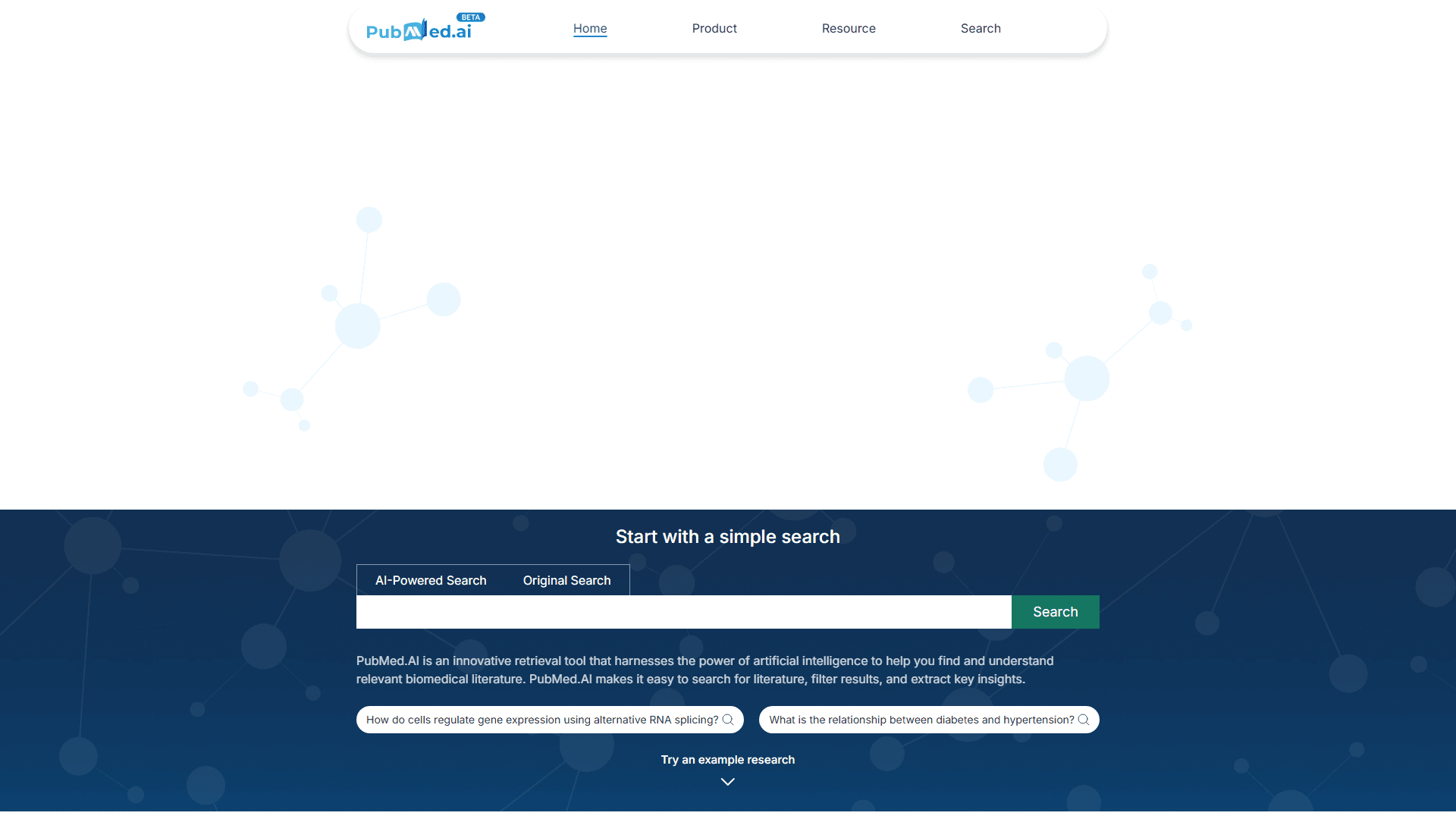
| PubMed with AI filtersFree tier | Comprehensive searches including Indian journals and grey literature | Free | 4/5 | Use alongside Elicit for India-specific journals and to verify completeness of automated searches for dissertation methodology sections. |
MBBS/Medicine Context: What You Need to Know
When You Need This Most
MBBS students need literature review skills most during final year (9th-10th semester) when completing dissertations, and during internship when preparing case reports for journal submission to strengthen MD/MS entrance applications.
Career Relevance
Strong research skills and published papers significantly improve chances of securing preferred MD/MS specialties in counseling, particularly for competitive branches like radiology, dermatology, and ophthalmology. Research experience is mandatory for academic medicine careers and strengthens USMLE applications for residency matching in the United States.
Common Mistakes to Avoid
- ✗Starting literature review only 2-3 weeks before dissertation submission when you should begin 3-4 months early to allow time for committee feedback and revisions
- ✗Copying AI-generated summaries directly into dissertation write-ups instead of using them as starting points for original analysis, leading to plagiarism flags
- ✗Ignoring India-specific journals and regional data sources, weakening dissertations on conditions with different prevalence or treatment patterns in Indian populations
India-Specific Context
Research publications significantly strengthen MD/MS entrance applications and are often deciding factors during counseling for top institutes like AIIMS, PGI Chandigarh, and JIPMER. FMGE requires strong evidence-based medicine knowledge, and systematic literature review skills help answer clinical scenario questions testing current treatment guidelines.
Related Pages
More Tools for MBBS/Medicine
Research Paper Writing for MBBS/Medicine
AI tools for research paper writing specifically designed for MBBS/Medicine students
Smart Note-Taking for MBBS/Medicine
AI tools for smart note-taking specifically designed for MBBS/Medicine students
Exam Preparation & Practice for MBBS/Medicine
AI tools for exam preparation & practice specifically designed for MBBS/Medicine students
Literature Review & Research for Other Courses
Literature Review & Research for BSc/MSc Sciences
Discover literature review & research tools tailored for BSc/MSc Sciences students
Literature Review & Research for Law (LLB/LLM)
Discover literature review & research tools tailored for Law (LLB/LLM) students
Literature Review & Research for Nursing (BSc/MSc Nursing)
Discover literature review & research tools tailored for Nursing (BSc/MSc Nursing) students
Ready to Transform Your Literature Review & Research Workflow?
Join thousands of MBBS/Medicine students using AI tools to work smarter and achieve better results with literature review & research.