
AI for Data Analysis & Visualization
Complete Guide for MBBS/Medicine Students 2026
Analyze datasets, create visualizations, and extract insights using AI
Quick Answer
Julius AI is the most accessible tool for MBBS students needing to analyze clinical datasets, run biostatistics tests, and create publication-quality graphs without coding knowledge. It handles everything from community medicine field data to dissertation statistical analysis through simple natural language commands, completing tasks that traditionally require SPSS or R programming in under 10 minutes.
Why MBBS/Medicine Students Need AI for Data Analysis & Visualization
MBBS/Medicine students face unique challenges when it comes to data analysis & visualization. From managing complex clinical research to meeting tight deadlines, AI tools can significantly streamline your workflow and improve the quality of your work.
Common Challenges
Understanding complex datasets
Creating meaningful visualizations
Statistical analysis without coding
Interpreting data for reports
Presenting data findings
How AI Tools Help
Natural language data queries
Automatic chart and graph generation
Statistical analysis without coding
Excel and CSV file support
Export-ready visualizations
Featured Tool Recommendation
Julius AI
Our top recommendation for data analysis & visualization among MBBS/Medicine students.
Why Students Love It:
- ✓ Specifically designed for academic use
- ✓ Student discounts available
- ✓ Easy to learn and use
- ✓ Excellent customer support
Recommended AI Tools

UpToDate
Evidence-based clinical decision support tool - essential for medical students learning evidence-based medicine
For MBBS/Medicine Students:
Perfect for data analysis & visualization
Key Features:

Medscape
Free medical reference and education platform - medical students access clinical guidelines and CME courses
For MBBS/Medicine Students:
Perfect for data analysis & visualization
Key Features:

Epocrates
Mobile drug reference and clinical information app - medical students check drug interactions and dosing on-the-go
For MBBS/Medicine Students:
Perfect for data analysis & visualization
Key Features:
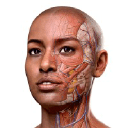
Complete Anatomy
3D anatomy learning platform with interactive models - medical students master anatomy through visualization
For MBBS/Medicine Students:
Perfect for data analysis & visualization
Key Features:

Osmosis
Video-based medical education platform - medical students learn through engaging videos and spaced repetition
For MBBS/Medicine Students:
Perfect for data analysis & visualization
Key Features:

Anki Med
Spaced repetition flashcard system for medical students - master vast medical knowledge through proven memorization
For MBBS/Medicine Students:
Perfect for data analysis & visualization
Key Features:
MBBS students face an increasing demand for evidence-based medicine, requiring proficiency in analyzing clinical trial data, patient statistics, and research findings. Whether you're preparing a dissertation for your final year, interpreting epidemiological data for community medicine viva, or analyzing patient outcomes during your hospital internship, data visualization skills have become essential. Traditional biostatistics courses often focus on theory without practical application, leaving students struggling with SPSS or Excel during crucial research submissions. Julius AI addresses this gap by allowing you to upload datasets in natural language, create publication-ready graphs, and run statistical tests without coding knowledge. For students preparing USMLE Step 1 or FMGE, understanding data interpretation through visual aids improves retention of pharmacology dose-response curves, pathology diagnostic statistics, and public health surveillance data. Post-NEET, as you progress through clinical rotations and prepare research papers for journal submissions or medical conferences, the ability to quickly analyze patient cohort data and present findings visually becomes a competitive advantage for residency applications and academic publications.
Top 5 Challenges & AI Solutions
Understanding Complex Epidemiological Datasets During Community Medicine Rotations
During third and fourth-year community medicine postings, students must analyze disease prevalence data, vaccination coverage statistics, and demographic health surveys for case presentations. Raw CSV files from district health departments contain thousands of rows with inconsistent formatting, missing values, and multiple variables. Without coding skills, cleaning this data and identifying trends like seasonal disease patterns or age-stratified mortality rates becomes overwhelming, especially when viva exams demand quick interpretation of public health metrics and comparison across different regions or time periods.
✨ AI Solution:
Julius AI's natural language interface lets you upload messy health survey data and ask questions like 'show me malaria incidence by age group' or 'compare vaccination rates across districts.' It automatically handles data cleaning and generates bar charts or heatmaps within seconds.
Creating Publication-Ready Graphs for Dissertation and Research Papers
Final year MBBS dissertations require original research with statistical analysis and professional visualizations for submission to university examiners and potential journal publication. Students conducting clinical studies on treatment outcomes, diagnostic accuracy, or surgical complications need to create Kaplan-Meier survival curves, ROC curves, forest plots, and scatter plots with regression lines. Learning GraphPad Prism or R programming during exam season while managing ward duties and preparing for FMGE is impractical, yet poorly formatted graphs lead to rejection from medical journals and lower dissertation grades.
✨ AI Solution:
Julius AI generates publication-quality visualizations by simply describing what you need. Request 'create a Kaplan-Meier curve for patient survival data' or 'show correlation between HbA1c and complications with regression line,' and it produces journal-standard figures you can export directly.
Running Statistical Tests Without Biostatistics Software Knowledge
Thesis committees and journal reviewers demand proper statistical validation using t-tests, ANOVA, chi-square tests, or logistic regression to prove clinical significance. Most MBBS curricula teach statistical theory in second year but provide minimal hands-on training with SPSS, Stata, or Python. When analyzing whether a new treatment protocol significantly reduces hospital stay duration or if demographic factors predict disease outcomes, students waste hours watching YouTube tutorials, often applying wrong tests or misinterpreting p-values and confidence intervals for their case-control or cohort studies.
✨ AI Solution:
Julius AI automatically selects and runs appropriate statistical tests when you describe your research question. Ask 'is there significant difference in blood pressure between treatment groups' and it performs t-tests, provides p-values, and explains the results in plain language suitable for your methods section.
Interpreting Pharmacology and Pathology Data for Exam Preparation
NEET PG, USMLE Step 1, and FMGE heavily test interpretation of dose-response curves, diagnostic test sensitivity-specificity data, and clinical trial statistics presented as graphs or tables. Questions show survival curves comparing chemotherapy regimens or receiver operating characteristic curves for diagnostic markers, expecting quick analysis of area under curve, hazard ratios, or number needed to treat. Memorizing formulas without visual understanding of how data distributions affect clinical decisions leads to mistakes in high-stakes MCQs where graph interpretation determines correct treatment choices or diagnostic approaches.
✨ AI Solution:
Julius AI helps you create practice datasets and visualizations matching exam patterns. Upload sample clinical trial data and generate various plot types to understand how changing variables affects graph appearance, building intuitive recognition of patterns that appear in USMLE or FMGE questions.
Presenting Clinical Audit Findings During Grand Rounds and Conferences
Hospital internships require presenting clinical audits, case series, or quality improvement projects during departmental grand rounds or state medical conferences. Analyzing patient records to show surgical complication rates, antibiotic resistance patterns, or adherence to clinical guidelines involves summarizing large hospital databases into compelling visual narratives. Senior consultants expect clear pie charts showing complication distribution, line graphs tracking monthly infection rates, or box plots comparing treatment durations across departments. Creating these presentations while managing night duties, OPD responsibilities, and preparing for residency entrance exams leaves little time for data wrangling.
✨ AI Solution:
Julius AI converts hospital audit spreadsheets into presentation-ready slides. Describe your audit focus like 'show monthly cesarean section rates with complications breakdown' and it generates multiple visualization options, allowing you to create comprehensive grand round presentations in under 30 minutes.
Best Practices for Using AI Tools
Upload your clinical datasets to Julius AI in CSV or Excel format and use the natural language chat to ask specific questions rather than manually filtering data, saving 70-80% of analysis time during dissertation work.
When preparing community medicine field reports, request multiple visualization types for the same data to identify which graph best communicates disease burden or intervention impact to your examiners and public health officials.
Schedule data analysis sessions during early morning hours before hospital rounds when you have uninterrupted focus, completing statistical tests and graph generation in 30-45 minute blocks rather than fragmented attempts between clinical duties.
Always cross-verify Julius AI's statistical test selection against your research design by asking it to explain why it chose a particular test, ensuring your methodology section accurately reflects appropriate biostatistical approaches for peer review.
Maintain original raw datasets separately and document all analysis steps in a notebook, as medical research ethics committees and journal editors may request complete data transparency during dissertation defense or manuscript revision.
For FMGE and USMLE preparation, create a personal database of clinical trial graphs and epidemiological charts using Julius AI to practice rapid interpretation, mimicking the time pressure of exam conditions where graph-based questions require 60-90 second responses.
Frequently Asked Questions
Can Julius AI handle patient data analysis while maintaining HIPAA compliance for my MBBS dissertation?
Julius AI is SOC 2 Type II and GDPR compliant, ensuring your patient data remains private and is never used for AI training. For dissertation work involving patient records, always de-identify data by removing names, MRN numbers, and dates before uploading, maintaining only age, gender, diagnosis codes, and outcome variables needed for statistical analysis.
Which statistical tests can Julius AI perform for clinical research common in MBBS final year projects?
Julius AI handles t-tests, ANOVA, chi-square tests, correlation analysis, linear and logistic regression, survival analysis, and diagnostic accuracy calculations including sensitivity, specificity, and ROC curves. It automatically selects appropriate tests based on your data type and research question, covering 95% of statistical needs for MBBS dissertations and case-control studies.
How much does Julius AI cost for medical students preparing research papers and FMGE simultaneously?
Julius AI offers a free tier with limited monthly queries suitable for occasional data analysis during exam preparation. The paid plan starts at approximately $20 per month, providing unlimited analyses ideal for intensive dissertation periods and continuous USMLE Step 1 or FMGE graph interpretation practice across 4-6 month preparation timelines.
Can I use Julius AI-generated graphs directly in medical journal submissions and university dissertations?
Yes, Julius AI produces publication-quality visualizations in high resolution that meet journal formatting standards. You can export graphs as PNG, PDF, or SVG files and customize colors, labels, and axes to match specific journal requirements or university dissertation guidelines before final submission.
Does Julius AI work with the messy Excel files I receive from hospital medical records departments?
Julius AI handles inconsistent formatting, missing values, and merged cells common in hospital data exports. Simply upload your Excel file and it automatically cleans the data, identifies columns, and allows you to query specific variables without manual preprocessing that typically takes 2-3 hours in traditional spreadsheet software.
How can Julius AI help me prepare for USMLE Step 1 questions involving clinical trial data interpretation?
Create practice datasets mimicking USMLE-style clinical trials and use Julius AI to generate Kaplan-Meier curves, forest plots, and funnel plots. By repeatedly visualizing how hazard ratios, confidence intervals, and p-values change with different data inputs, you develop intuitive pattern recognition for the 15-20 biostatistics questions appearing in Step 1.
Can Julius AI explain statistical results in simple terms for my dissertation defense viva?
Julius AI provides plain language explanations alongside statistical outputs, translating complex results into clinically meaningful interpretations. When examiners ask about your p-value of 0.03 or confidence interval of 1.2-3.5, you can reference Julius AI's explanation showing exactly what this means for patient outcomes or treatment efficacy.
Is Julius AI suitable for analyzing small sample sizes typical in MBBS student research projects?
Yes, Julius AI works with datasets of any size and will flag when sample sizes are too small for certain statistical tests, preventing common errors. For typical MBBS projects with 50-100 patients, it appropriately applies tests like Fisher's exact test instead of chi-square and calculates effect sizes to demonstrate clinical significance despite limited sample size.
How to Use AI for Data Analysis & Visualization: MBBS Step-by-Step Guide
Total time: 1-2 hours
Prepare and Upload Your Clinical Dataset
10 minExport patient data from hospital records or community medicine surveys into Excel or CSV format, ensuring you have de-identified all personal information. Organize columns with clear headers like 'Age', 'Gender', 'Diagnosis', 'Treatment', 'Outcome' matching your research variables. Upload the file to Julius AI by clicking the attachment icon or dragging the file directly into the chat window. For dissertation work, keep a backup copy of raw data separately to maintain audit trail for ethics committee review.
Tool: Julius AIAsk Exploratory Questions to Understand Your Data Distribution
15 minBegin with descriptive queries like 'show me summary statistics for all variables' or 'what is the age distribution of patients' to identify outliers, missing values, and basic patterns. Request histograms for continuous variables like blood pressure or lab values, and frequency tables for categorical data like gender or disease classification. This exploratory phase helps you spot data quality issues before running formal statistical tests and gives you material for the 'Results' section describing your study population characteristics.
Tool: Julius AIRun Appropriate Statistical Tests for Your Research Question
20 minFormulate your hypothesis in plain language like 'is there a significant difference in recovery time between treatment A and B' or 'does age correlate with complication rates.' Julius AI will automatically select the correct statistical test, whether t-test, ANOVA, chi-square, or regression, and provide p-values, confidence intervals, and effect sizes. Review the explanation to ensure the test matches your study design, then copy the statistical output including test name, degrees of freedom, and exact p-value for your methods and results sections.
Tool: Julius AIGenerate Publication-Quality Visualizations
25 minRequest specific graphs matching your data type: 'create a bar chart comparing complication rates by age group' or 'show Kaplan-Meier survival curves for both treatment arms.' Specify customization needs like 'use different colors for each group' or 'add 95% confidence intervals to the plot.' Julius AI generates multiple visualization options, allowing you to select the clearest representation for journal submission or grand rounds presentation. Export high-resolution images in PNG or PDF format suitable for direct insertion into dissertation documents.
Tool: Julius AIInterpret Results and Prepare Clinical Conclusions
30 minAsk Julius AI to explain the clinical significance of your findings: 'what does a p-value of 0.02 mean for treatment effectiveness' or 'interpret this odds ratio of 2.3 in clinical terms.' Use these explanations to draft your discussion section, connecting statistical results to patient care implications and existing medical literature. Prepare for viva defense by requesting Julius AI to generate potential examiner questions based on your results, ensuring you can explain every statistical choice and graph interpretation during dissertation defense or conference presentations.
Tool: Julius AIBest AI Tools for Data Analysis & Visualization: MBBS Students
| Tool | Best For | Pricing | Rating | Verdict |
|---|---|---|---|---|
| Julius AITop PickFree tier | Medical students needing complete statistical analysis and graph generation without coding for dissertations and research papers | Free tier available, paid plans from $20/month | 4.5/5 | Best overall choice for MBBS students combining ease of use with publication-quality outputs and comprehensive biostatistics test coverage. |
| ChatGPT with Advanced Data Analysis | Quick data exploration and basic statistical calculations when you already have ChatGPT Plus subscription for exam preparation | $20/month (ChatGPT Plus required) | 4.2/5 | Good for simple analyses but less reliable for complex medical statistics and lacks specialized visualization options needed for journal submissions. |
| Google Sheets with AI formulasFree tier | Basic descriptive statistics and simple charts when working with small datasets under 100 patients during clinical rotations | Free | 3.8/5 | Use only for preliminary data organization and basic calculations, not suitable for dissertation-level statistical testing or publication-quality graphs. |
MBBS/Medicine Context: What You Need to Know
When You Need This Most
Data analysis skills become critical during third and fourth year when students begin community medicine field projects, clinical case series documentation, and final year dissertation research requiring original data collection and statistical validation.
Career Relevance
Proficiency in clinical data analysis directly impacts residency applications, as research publications strengthen DNB and MD entrance portfolios, while evidence-based practice skills are essential for academic medicine careers, clinical trial coordination roles, and public health positions in government hospitals or WHO programs.
Common Mistakes to Avoid
- ✗Using inappropriate statistical tests like t-tests for non-normal data or chi-square for small sample sizes, leading to invalid conclusions that examiners immediately identify during dissertation defense
- ✗Creating cluttered graphs with too many variables or poor color choices that fail to communicate key findings clearly during 10-minute conference presentations or grand rounds
- ✗Starting data analysis only 2-3 weeks before dissertation submission deadline without time for iterative refinement based on guide feedback or addressing statistical reviewer comments
India-Specific Context
Medical colleges affiliated with state universities require dissertation submission 3-4 months before final MBBS exams, while students simultaneously prepare for NEET PG, INICET, or FMGE, making efficient data analysis tools essential for managing research obligations alongside entrance exam preparation during the intense final year.
Related Pages
More Tools for MBBS/Medicine
Research Paper Writing for MBBS/Medicine
AI tools for research paper writing specifically designed for MBBS/Medicine students
Smart Note-Taking for MBBS/Medicine
AI tools for smart note-taking specifically designed for MBBS/Medicine students
Exam Preparation & Study for MBBS/Medicine
AI tools for exam preparation & study specifically designed for MBBS/Medicine students
Data Analysis & Visualization for Other Courses
Data Analysis & Visualization for Engineering (B.Tech/B.E.)
Discover data analysis & visualization tools tailored for Engineering (B.Tech/B.E.) students
Data Analysis & Visualization for Data Science/Analytics
Discover data analysis & visualization tools tailored for Data Science/Analytics students
Data Analysis & Visualization for Computer Science (BCA/MCA)
Discover data analysis & visualization tools tailored for Computer Science (BCA/MCA) students
Ready to Transform Your Data Analysis & Visualization Workflow?
Join thousands of MBBS/Medicine students using AI tools to work smarter and achieve better results with data analysis & visualization.